



Latest Version
Latest
August 17, 2026
Sapphire Global Tech Ltd
LIFESTYLE
Android
272
Free
com.islam.muslim.life360.quran
Report a Problem
More About Islamic Prayer Times and Qibla – Free Muslim Companion
What is Islamic Prayer Times and Qibla?
Islamic Prayer Times and Qibla is a free Android application developed by Sapphire Global Tech Ltd. It is designed to help Muslims keep track of the five daily prayers, receive timely Azan notifications, read the Quran, and locate the direction of the Kaaba using a built‑in Qibla compass.
Main Features
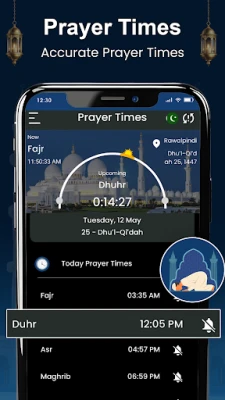
- Prayer time calculations – The app computes the five daily prayer times based on the user’s current location, using widely accepted calculation methods.
- Azan alerts – Optional sound or vibration reminders can be set so users are notified when it is time for each prayer.
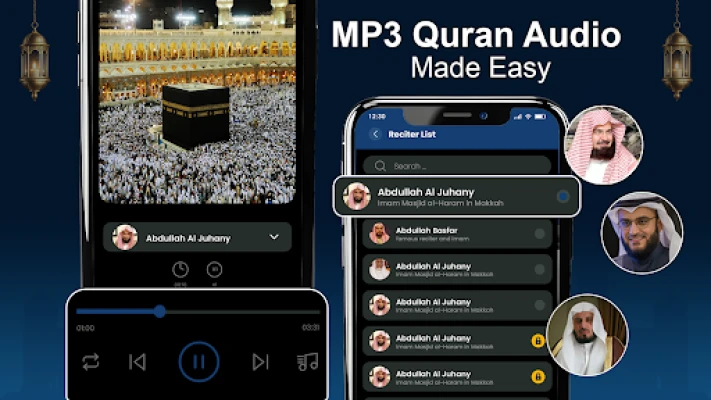
- Quran reading – Users can open the Quran within the app, browse chapters (Surahs) and verses (Ayahs), and switch between Arabic text and translation.
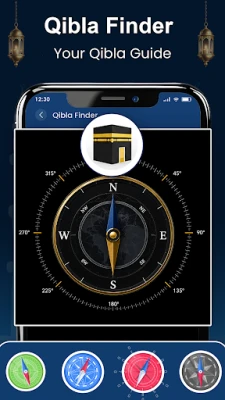
- Qibla finder – A compass view shows the precise direction toward the Kaaba, helping users orient themselves for prayer wherever they are.
- Location‑based updates – When the device’s location changes, prayer times are automatically refreshed to stay accurate.
How It Works
After installing the app, the first step is to grant location permission so the software can determine the user’s latitude and longitude. Based on this data, the app selects a calculation method (such as the Islamic Society of North America or the Muslim World League) and generates the day’s prayer schedule. Users can customize the method in the settings if they prefer a different convention.
Azan notifications are managed through the Android notification system. Users may choose a specific call to prayer sound, adjust the lead time before each prayer, or disable alerts altogether.
The Quran module stores the entire text locally, allowing offline reading. A simple navigation pane lets users jump to any Surah, and a search function helps locate specific verses.
The Qibla compass uses the device’s magnetic sensor combined with the calculated bearing to the Kaaba. A clear arrow points toward Mecca, and the numeric degree is displayed for precision.
Practical Uses
- Travelers can rely on automatic location detection to receive correct prayer times without manual calculations.
- Students and professionals benefit from discreet Azan reminders that integrate with the phone’s notification shade.
- Anyone interested in regular Quran study can use the built‑in reader as a convenient alternative to physical copies.
- During outdoor activities, the Qibla compass provides a quick visual reference for the direction of prayer.
Installation Information
The app is available through the standard Android package distribution channels. Installation requires Android version support as defined by the developer; users should check the device’s compatibility screen before downloading.
Things to Know Before Installing
- Location permission is essential for accurate prayer times and Qibla direction.
- The app does not collect personal data beyond what is needed for location services; privacy details are provided in the app’s policy.
- Because the Quran text is stored locally, the app works without an internet connection after the initial download.
Who May Find It Useful?
Muslims who want a single, lightweight tool for daily prayer management, Quran reading, and Qibla orientation will find this app especially helpful. It is also suitable for new converts learning the basics of prayer timing and direction.
Frequently Asked Questions
Do I need an internet connection for prayer times?
No. Once the app has determined your location, it calculates times locally. An internet connection is only needed for the initial download.
Can I change the calculation method?
Yes. The settings menu includes a list of common calculation methods; select the one that matches your regional practice.
Is the Quran translation included?
The app provides the Arabic text and a basic translation. Users looking for multiple translations may need a dedicated Quran app.
How accurate is the Qibla compass?
The compass uses the device’s built‑in sensors and the calculated bearing to the Kaaba. Accuracy depends on sensor calibration and surrounding magnetic interference.
Rate the App
User Reviews















Popular Apps










 Games
Games Entertainment
 Communication
 E-mail
 Security
 Tools
Tools Media
Media Internet
 Finance
 Design
 Education
 Android Firmwares
 Travel & Local
 Android
 Windows
 Linux
Linux