Top Android Applications Changing Daily Life in 2026
5 min read Discover the latest trends in Android applications in 2026, including AI-powered tools, mobile gaming innovations, privacy improvements, and the future of Android technology. May 15, 2026 21:59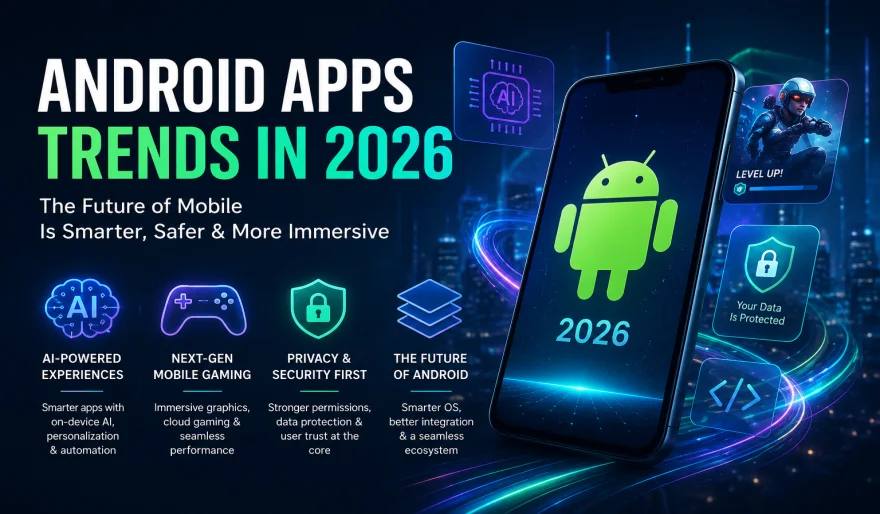
Android Apps Are Becoming Smarter Than Ever
The Android ecosystem continues to evolve rapidly in 2026. From productivity tools powered by artificial intelligence to lightweight entertainment platforms, Android applications are now deeply integrated into everyday life. Millions of users around the world rely on mobile apps not only for communication, but also for work, learning, health tracking, and creativity.
Developers are focusing on speed, privacy, and user experience more than ever before. Applications are becoming smaller in size while offering advanced cloud-based features that were previously available only on desktop computers.
Artificial Intelligence Is Leading the Trend
One of the biggest changes in Android applications this year is the integration of AI features. Many apps can now automatically organize files, summarize long texts, generate images, and even assist users with coding or studying.
Voice assistants have also improved significantly. Modern Android apps are capable of understanding natural language more accurately, making smartphones feel more personal and interactive.
Some productivity applications now include:
Smart task suggestions
Automatic email replies
AI-generated notes
Real-time language translation
Intelligent photo enhancement
These features help users save time and improve efficiency in daily activities.
Gaming Applications Continue to Grow
Mobile gaming remains one of the strongest sectors in the Android world. Cloud gaming technology allows users to play high-quality games without requiring expensive hardware.
Developers are also optimizing games for low-end Android devices, making entertainment more accessible globally. Multiplayer games, survival adventures, and simulation games continue to dominate download charts.
Another important trend is cross-platform gaming, where Android players can compete with PC and console users in the same online environment.
Security and Privacy Matter More
Users are now more aware of privacy concerns. Because of this, many Android applications are introducing stronger encryption systems and transparent permission controls.
Several popular apps now allow users to:
Control microphone and camera access instantly
Delete stored cloud data easily
Enable advanced biometric security
Use temporary permissions for sensitive features
Google is also improving Android security updates to protect users from malware and harmful applications.
Lightweight Applications Are Making a Comeback
Not every user owns a flagship smartphone. In many regions, lightweight Android apps are becoming popular again because they consume less storage and internet data.
Lite applications provide essential features while remaining fast and efficient. This trend is especially important in areas with slower internet connections.
Developers are now designing applications that can run smoothly even on older Android devices released several years ago.
The Future of Android Applications
Experts believe Android applications will become even more personalized during the next few years. Smartphones may soon predict user needs before actions are manually performed.
Future Android applications could include:
Advanced offline AI tools
Smarter wearable device integration
Augmented reality shopping experiences
Fully voice-controlled interfaces
Enhanced digital health monitoring
The Android market remains highly competitive, encouraging developers to create innovative and user-friendly experiences.
Conclusion
Android applications are no longer simple tools used for messaging or entertainment. They are becoming powerful digital assistants capable of improving productivity, communication, education, and creativity.
As technology continues to advance, Android users can expect faster, smarter, and more secure applications that transform the way people interact with the digital world every day.
User Comments (0)
Popular Apps










 Games
Games Entertainment
 Communication
 E-mail
 Security
 Tools
Tools Media
Media Internet
 Finance
 Design
 Education
 Android Firmwares
 Travel & Local
 Android
 Windows
 Linux
Linux